
img


September 30, 2026


img

9:00 AM - 5:00 PM


img


Gulmohar Hall,
India Habitat Centre,
New Delhi


Vision behind the Conclave


As India progresses towards its 2070 net-zero target, the effectiveness of its energy and mobility transitions increasingly depends on how well they are aligned. Mobility cannot be genuinely decarbonized while relying on a predominantly coal-based electricity grid, just as renewable energy cannot realize its full climate and energy-security potential without a flexible and scalable demand base. Yet, these transitions continue to be planned, financed, and governed largely in isolation, highlighting the need for platforms that can advance a more integrated approach to energy and mobility policy.

India has sustained significant policy and investment efforts across both sectors, spanning regulatory mandates, fiscal incentives, and infrastructure development. These efforts are increasingly complemented by a growing ecosystem of startups, R&D institutions, and clean-energy enterprises working at the intersection of technology, mobility, and energy. Together, these developments create a timely opportunity to explore how greater integration between the two transitions can be achieved in practice.

Envisioned as a high-level policy platform, the Conclave will convene ministers, senior bureaucrats, industry leaders, academics, and civil society representatives for keynotes and thematic discussions on opportunities and challenges at the intersection of energy and mobility ecosystems.

Coupling the Grid and the Road: Governance, Freight Corridors and a Just Transition

Electrifying India’s freight requires the energy and mobility sectors to be addressed through a coordinated policy and governance framework. This panel will examine sector coupling as a governance mandate, with a focus on inter-ministerial coordination among the Ministry of Heavy Industries, Ministry of Power, and Ministry of Road Transport and Highways; coordination among regulators and State agencies along freight corridors; and streamlined, single-window approval mechanisms. The discussion will also consider the harmonization of State electricity tariffs and greater coordination among State authorities on road-tax regimes to facilitate the seamless electrification of freight movement.

Building and Financing the Green Freight Backbone: Megawatt Charging, Battery Swapping and the Circular Battery Economy

This panel will examine the infrastructure, financing and institutional frameworks required to build a robust green freight backbone. Key areas of discussion will include streamlined, single-window processes for grid connectivity; DISCOM connection timelines; the respective roles of battery swapping and megawatt charging for long-haul freight; access to green open power on terms comparable to those available for green hydrogen; and the deployment of captive solar-plus-battery energy storage systems (BESS) and microgrids to support reliable and cost-effective freight electrification.

Chief Guest
Prof. Badri Narayan
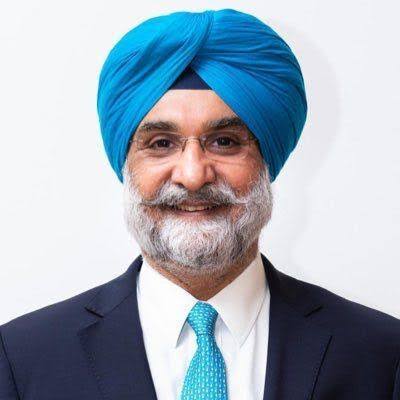
Shri Taranjit Singh Sandhu
Hon’ble Lieutenant Governor
Government of the NCT of Delhi
Special Address
Professor
Guest of Honor
Prof. Abhay Karandikar
Member
NITI Aayog
Professor
Guest of Honor
Shri Berjis Desai
Member
National Commission for Minorities
Speakers
Professor
Shri Harpreet Singh Pruthi
Secretary
Central Electricity Regulatory Commission
Professor
Shri Arun Goyal
Former Member
Central Electricity Regulatory Commission (CERC)
Professor
Shri Aashish Chandorkar
Former Counsellor
Permanent Mission of India to the WTO
Professor
Shri Akhil JP
CEO & Co-Founder
Pulse Energy
Professor
Shri Narendra Murkumbi
Managing Director & CEO, Energy in Motion Limited; Vice-Chairman, Ravindra Energy Limited
Professor
Dr. Debajit Palit
Head, Centre for Climate Change & Energy Transition
Chintan Research Foundation
Professor
Dr. Priyadarshi Dash
Associate Professor
Research and Information System for Developing Countries (RIS)